Welcome to Christian Council of Nigeria (CCN)

Phone
Visit
24, Douala Crescent, Wuse Zone 5, Abuja, FCT.
Welcome to Christian Council of Nigeria (CCN)
24, Douala Crescent, Wuse Zone 5, Abuja, FCT.

Abuja, Nigeria | January 2026
The Christian Council of Nigeria (CCN), the foremost ecumenical body representing Christian churches and organizations across the country, has expressed deep concern over recent moves by the Financial Reporting Council of Nigeria (FRC) to integrate Islamic (Sharia-compliant) finance standards into Nigeria’s national financial system.
This reaction follows disclosures made by Dr. Rabiu Olowo, Chief Executive Officer of the FRC, during a strategic stakeholders’ meeting held on 21 January 2026, and earlier reports by Vanguard Newspaper indicating that the FRC is intensifying efforts to adopt the standards of the Accounting and Auditing Organisation for Islamic Financial Institutions (AAOIFI) into the Nigerian Financial Reporting Framework (NFRF).
According to CCN, while non-interest banking may exist as a voluntary option within a plural financial environment, the institutionalisation of faith-derived Sharia principles as national regulatory standards raises serious constitutional, ethical, and national unity concerns.
“Nigeria is a secular state by constitutional design. Any attempt to embed religious law—whether Islamic or otherwise—into national systems amounts to a violation of the spirit and letter of the Constitution,” CCN stated.
The Council emphasized that Section 10 of the 1999 Constitution of the Federal Republic of Nigeria (as amended) clearly provides that “the Government of the Federation or of a State shall not adopt any religion as State religion.”
CCN warned that elevating Sharia-based financial standards to national application risks:
“Financial systems are not neutral instruments,” the Council noted. “They shape everyday life—contracts, audits, governance, compliance, and public accountability. When such systems are anchored on religious law, the state itself begins to assume a religious posture.”

CCN further expressed concern about the timing and urgency of the Islamic finance push, especially against the backdrop of:
“Why the rush to make Nigeria a global hub for Islamic finance at a time when citizens are being killed in religiously charged conflicts?” the Council queried. “Policy direction must be sensitive to national pain, not dismissive of it.”
In its official position, CCN:
The Council reaffirmed that it is not opposed to financial innovation nor to the existence of non-interest banking within a regulated and voluntary framework. However, it insists that national standards must remain religiously neutral, inclusive, and constitutionally sound.
CCN concluded by reminding policymakers that nation-building must be anchored on justice, equity, and trust, not on policies that widen fault lines or fuel silent fears.
“Nigeria belongs to all Nigerians. Its financial systems, institutions, and laws must reflect that sacred truth. We must choose unity over division, constitutional fidelity over expedience, and peace over prestige.”
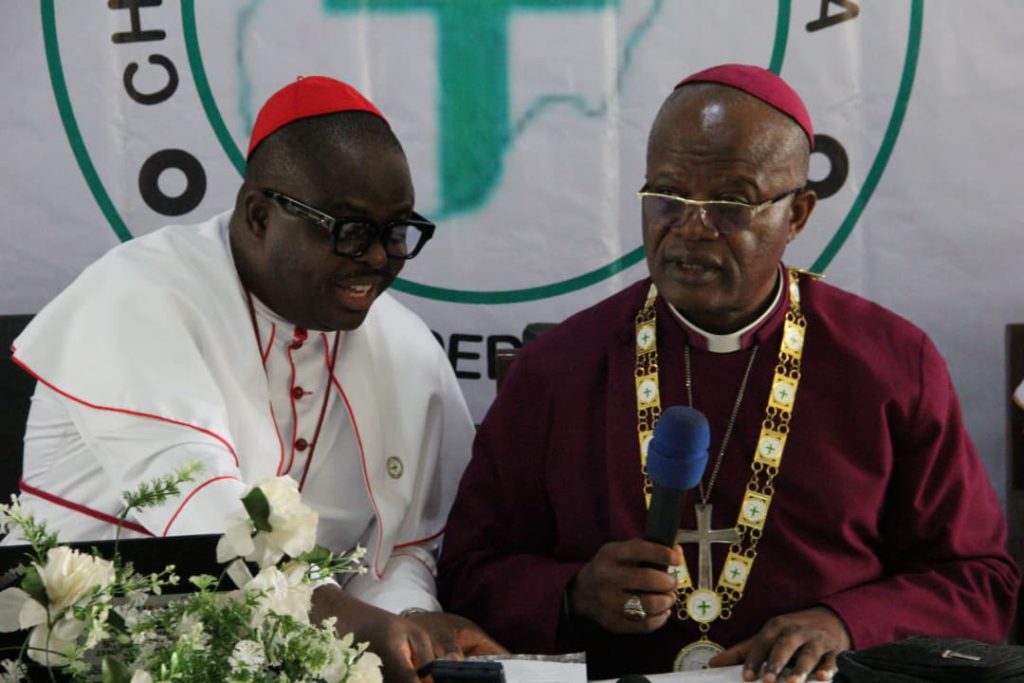
His Grace, Most Rev. Dr. David C. C. Onuoha
National President
Christian Council of Nigeria (CCN)
His Lordship, The Rt. Rev. Evans Onyemara, PhD
General Secretary
Christian Council of Nigeria (CCN)

Contacts:
Uruakpa Onyemaechi Charles
Correspondence Desk, Christian Council of Nigeria
Email: maarbroglobal@gmail.com
The Christian Council of Nigeria is the oldest ecumenical body in Nigeria, committed to promoting Christian unity, justice, peace, and the moral conscience of the nation through dialogue, advocacy, and prophetic witness.
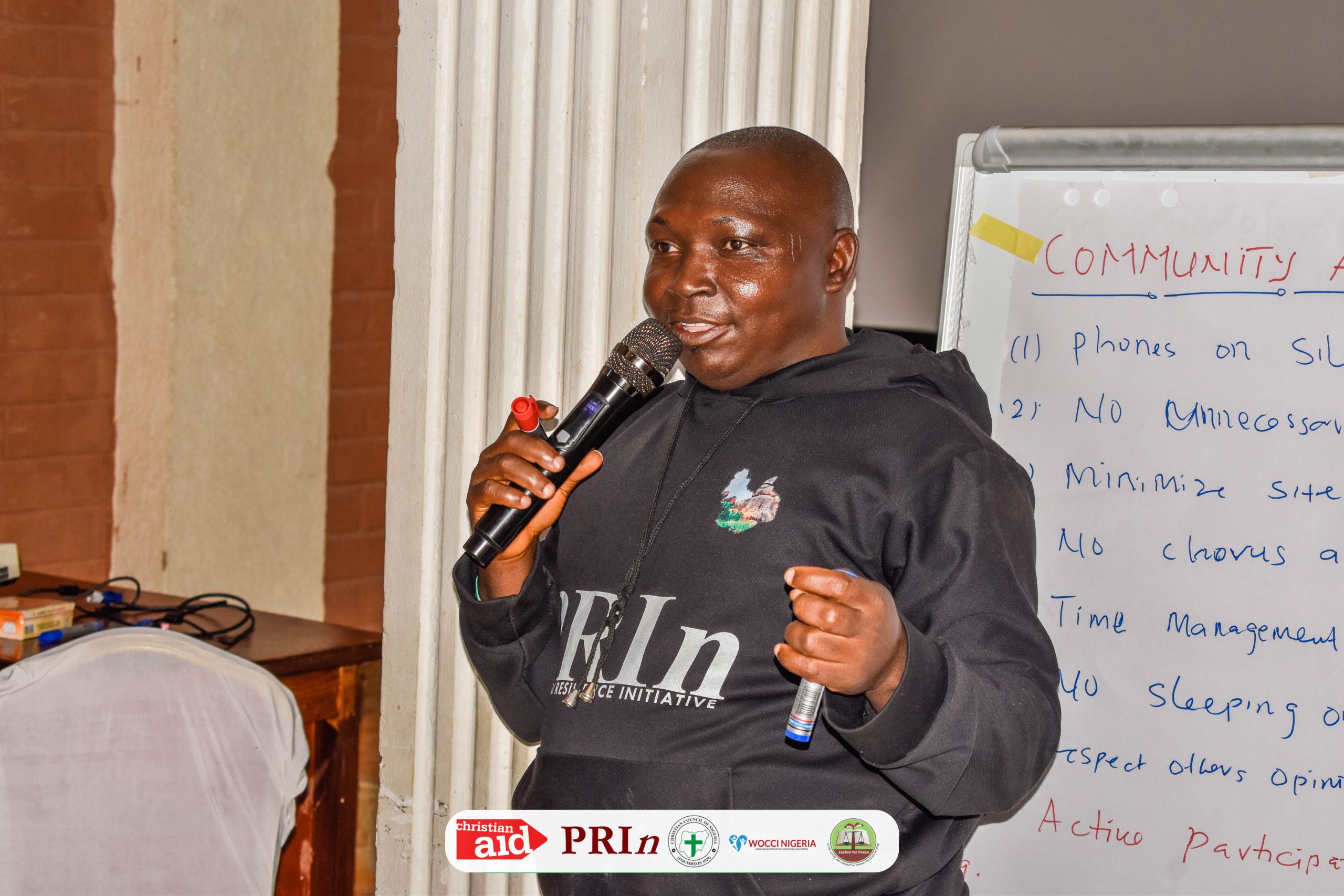
Empowering Resilience: CCN Hosts Learning & Reflection Meeting on Climate Risk and Livelihoods
The Church as Nigeria’s Moral Compass


The Christian Council of Nigeria (CCN) fosters unity, advocacy, and spiritual growth, promoting justice and inclusivity in Christian communities.

17 Jun, 2024
04 Aug, 2024
Revd’ Manasseh Bala Gizo
07 Feb, 2026 . 8:25 am
As the chairman of Christian Council of Nigeria Borno State Chapter. I join voice with our leader to say no to any constitutional breach. We must adhere to the principle of maintain peace now and there after. The unity and peace of Nigeria supercede our individual or organizational.